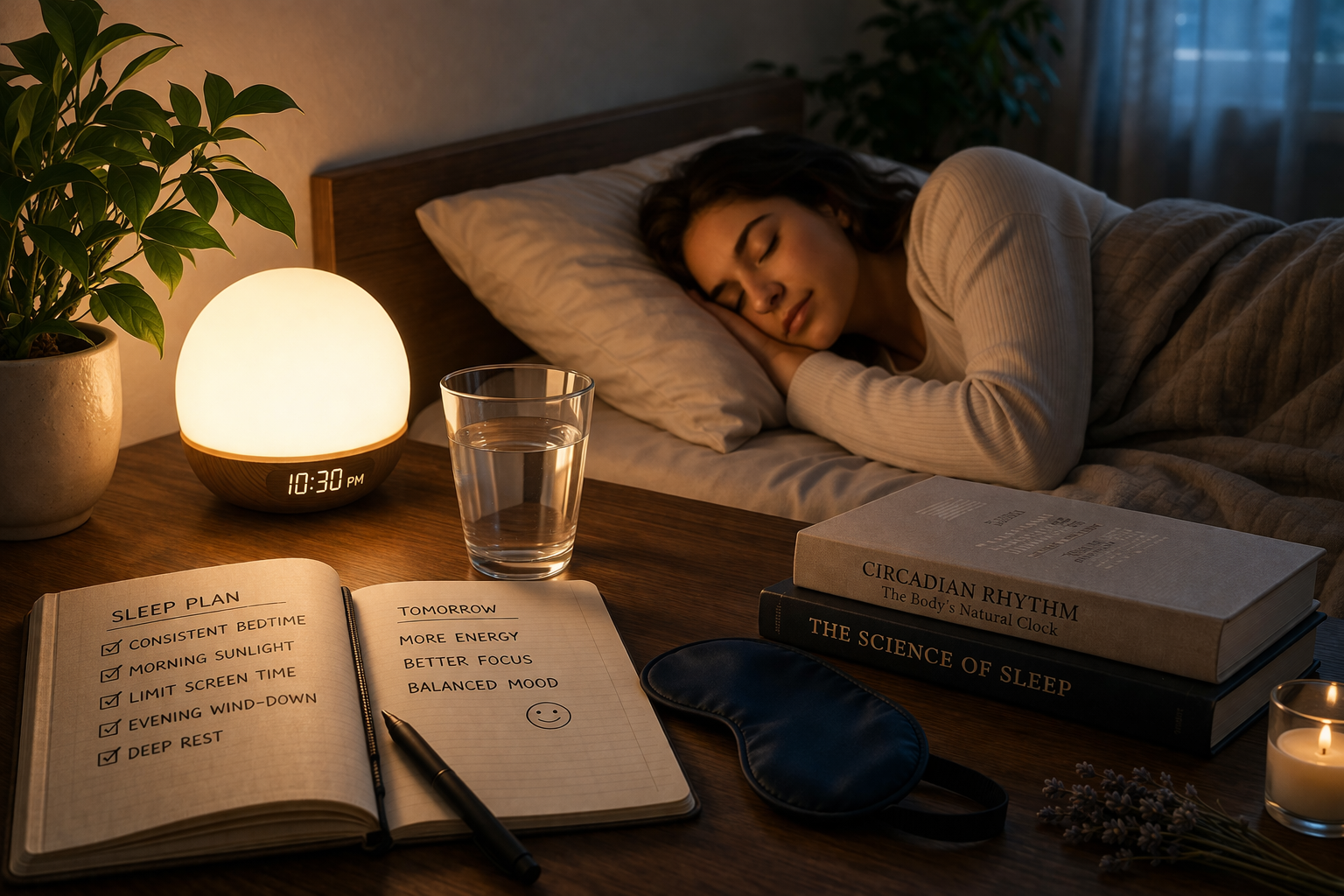
93% of Indian adults are sleep-deprived. If you are always tired despite sleeping enough, your circadian rhythm may be broken. Discover the 7 real reasons behind chronic fatigue — and how sleep therapy can reset your body clock without medication.
You Are Not Lazy. You Are Sleep-Deprived in a World That Broke Your Body Clock
You wake up after seven or eight hours in bed and still feel exhausted. You drag yourself through the morning on caffeine, crash at 3 PM, get a second wind at 10 PM, and then cannot fall asleep until midnight. You have tried everything — melatonin tablets, blue light glasses, sleep podcasts, blackout curtains. Nothing works. And every morning, the fatigue is waiting for you.
This is not a willpower problem. It is not laziness or low motivation. What you are experiencing is a broken circadian rhythm — and it is one of the most widespread, most underdiagnosed, and most consequential health crises of our time.
In India alone, studies estimate that over 93 percent of adults are sleep-deprived. Globally, the World Health Organization has declared insufficient sleep a public health epidemic. And yet, the standard response remains woefully inadequate: a prescription for sleeping pills, generic advice to reduce screen time, and a vague suggestion to go to bed earlier.
Sleep therapy, particularly as practiced within a naturopathic framework, offers something far more powerful. It addresses the root of the problem — the disruption of your body's internal clock — and restores it through science-backed, drug-free interventions. This article explains exactly why you are tired, what is happening in your body, and how a structured sleep therapy program can help you reclaim the deep, restorative rest your body was designed to have.
Key Insight: Fatigue is rarely a sleep quantity problem. In most cases, it is a sleep quality and circadian timing problem — and both are fully addressable without medication.
What Is the Circadian Rhythm and Why Does It Control Everything?
Your circadian rhythm is your body's internal 24-hour biological clock. Governed by a tiny region of the brain called the suprachiasmatic nucleus (SCN), it regulates not just sleep and wakefulness, but virtually every physiological process in your body.
What your circadian rhythm controls:
Core body temperature — which drops at night to facilitate sleep onset
Cortisol secretion — which peaks in the morning to promote alertness and energy
Melatonin production — the sleep hormone released in darkness to signal bedtime
Digestive enzyme activity — timed to your eating patterns
Immune system function — most repair and immune activity happens during deep sleep
Cellular repair and DNA replication — processes that only occur in specific sleep stages
Insulin sensitivity — which is significantly higher in the morning than at night
Mood regulation — directly linked to serotonin and dopamine cycles governed by the clock
When your circadian rhythm is properly aligned, all of these systems operate in beautiful synchrony. When it is disrupted — through irregular sleep schedules, artificial light exposure, shift work, chronic stress, or poor diet — the consequences ripple across every system in your body. You are not just tired. You are biologically dysregulated.
A misaligned circadian rhythm does not just cause tiredness. Research links chronic circadian disruption to obesity, Type 2 diabetes, cardiovascular disease, depression, immune dysfunction, and accelerated cellular aging.
The Seven Real Reasons You Are Always Tired
Fatigue is a symptom, not a diagnosis. Understanding its root cause is the first step toward resolving it. Here are the seven most common reasons people suffer from persistent tiredness — and why generic sleep advice fails to address most of them.
1. Circadian Misalignment
Your sleep timing is out of phase with your natural biological clock. You are trying to sleep when your body is biologically awake, and trying to stay awake when your body wants to sleep. No amount of time in bed will fix this — you need to reset the clock itself.
2. Chronic Cortisol Dysregulation
Chronic stress keeps cortisol elevated throughout the day and into the night. Since cortisol is biologically opposed to melatonin, high evening cortisol prevents the brain from initiating sleep. You may feel wired but exhausted — alert but unrested. This is the hallmark of HPA axis dysregulation.
3. Poor Sleep Architecture
Sleep is not a single state. It cycles through light sleep, deep slow-wave sleep, and REM sleep in roughly 90-minute cycles. Most restorative functions — growth hormone release, memory consolidation, cellular repair — occur in deep sleep and REM. Alcohol, sleeping pills, late-night eating, and chronic stress all suppress these critical stages. You may sleep for eight hours but spend almost none of it in genuinely restorative stages.
4. Gut-Brain Axis Disruption
Approximately 90 percent of the body's serotonin is produced in the gut. Serotonin is the direct precursor to melatonin. If your gut microbiome is compromised — through poor diet, antibiotics, or chronic stress — your serotonin and melatonin production are directly impaired. Digestive issues and sleep disorders are far more connected than most people realise.
5. Nutritional Deficiencies
Deficiencies in magnesium, vitamin D, vitamin B12, zinc, and tryptophan are directly linked to poor sleep quality. Magnesium alone is involved in over 300 enzymatic reactions related to nervous system regulation — and deficiency is estimated to affect over 80 percent of urban Indians.
6. Light Pollution and Melatonin Suppression
Artificial blue light from screens, LED lighting, and fluorescent office lights suppresses melatonin production by up to 90 percent. Evening screen use essentially tells your brain it is still mid-afternoon — delaying sleep onset, reducing sleep depth, and fragmenting sleep architecture across the night.
7. Unresolved Psychological Arousal
An overactive mind is one of the most common causes of insomnia and poor sleep quality. Racing thoughts, unprocessed anxiety, rumination, and hypervigilance keep the nervous system in sympathetic (fight-or-flight) mode at night — the biological opposite of the parasympathetic state required for deep sleep.
What Sleep Therapy Actually Is — And What It Is Not
Sleep therapy is not the prescription of sleeping pills. It is not a generic advice pamphlet about sleep hygiene. And it is certainly not simply turning your phone off an hour before bed.
In a naturopathic context, sleep therapy is a comprehensive, multi-modal intervention that addresses the biological, psychological, environmental, and lifestyle factors that disrupt sleep architecture and circadian timing. It is systematic, personalised, and evidence-based.
Core modalities of naturopathic sleep therapy include:
Circadian rhythm reset protocols — structured light exposure therapy, meal timing adjustments, and activity scheduling to re-anchor the body clock
Yoga nidra — a deeply evidence-backed practice that induces theta brainwave states associated with the deepest stages of physical and mental restoration
Pranayama and breathing therapy — parasympathetic activation techniques that down-regulate cortisol and shift the nervous system toward sleep readiness
Hydrotherapy — therapeutic water applications including contrast showers and warm immersion therapy that lower core body temperature and initiate sleep onset
Naturopathic nutrition — correcting micronutrient deficiencies and timing meals to support melatonin and serotonin synthesis
Gut restoration — addressing the gut-brain axis through dietary therapy and targeted probiotic protocols
Psychological sleep interventions — including Cognitive Behavioural Therapy for Insomnia (CBT-I) elements, mindfulness, and stress processing techniques
Environmental optimisation — assessment and correction of sleep environment factors including temperature, light, sound, and electromagnetic exposure
Each of these modalities targets a different layer of the sleep problem. Together, they produce outcomes that no single intervention — and certainly no sleeping pill can replicate.
The Science Behind Circadian Rhythm Reset: How It Works
Resetting a disrupted circadian rhythm is not simply a matter of going to bed earlier. The body clock is entrained — meaning it synchronises — through specific external cues called zeitgebers, a German word meaning time-givers. Understanding these cues is the foundation of effective sleep therapy.
The primary zeitgebers and how to use them therapeutically:
Light
Light is the most powerful zeitgeber. Morning sunlight exposure within 30 minutes of waking — ideally 10 to 20 minutes of natural outdoor light — activates the SCN and anchors the circadian clock. Evening darkness, ideally 90 minutes before bed, allows melatonin to rise naturally. Sleep therapy at Kshemavana incorporates structured outdoor morning programs and evening low-light environments as core therapeutic tools.
Meal Timing
Eating patterns send strong signals to peripheral circadian clocks in the liver, gut, and metabolic organs. Time-restricted eating — consuming all meals within a consistent 8 to 10 hour window, aligned with daylight hours — is one of the most powerful circadian reset tools available. Eating late at night is one of the most disruptive things you can do to your body clock.
Physical Activity
Morning and afternoon exercise reinforces circadian alignment. Vigorous evening exercise, by contrast, elevates core body temperature and cortisol — both of which delay sleep onset. Naturopathic sleep programs incorporate gentle yoga, aquatic therapy, and nature walks timed specifically to support circadian anchoring.
Temperature
Core body temperature must drop by approximately 1 to 2 degrees Celsius for sleep to initiate. Warm foot baths, cooling bedroom environments, and naturopathic hydrotherapy facilitate this essential drop. Conversely, hot showers immediately before bed or warm sleeping environments significantly impair sleep onset and depth.
Social Rhythm
Consistent daily schedules — waking, eating, exercising, and sleeping at the same times every day — are among the most effective tools for circadian stabilisation. Irregular schedules, common in urban professionals and frequent travellers, are a primary driver of social jet lag and chronic fatigue.
Industry Trends 2025 to 2026: The Rise of Sleep as a Medical Priority
Sleep medicine has undergone a profound transformation over the past three years. Here is what the landscape looks like heading into 2026:
Sleep Tracking Has Entered the Mainstream
Wearable devices from companies including Fitbit, Garmin, Oura, and Apple now provide individuals with detailed data on sleep stages, heart rate variability, and circadian alignment. This democratisation of sleep data has created an entirely new class of health-aware consumers who understand that their sleep quality is poor — and are actively seeking solutions beyond medication.
CBT-I Is Replacing Sleeping Pills as the Clinical Gold Standard
The American Academy of Sleep Medicine now recommends Cognitive Behavioural Therapy for Insomnia as the first-line treatment for chronic insomnia — above all pharmaceutical interventions. This represents a fundamental shift in medical consensus toward the kind of lifestyle-based approaches that naturopathy has championed for decades.
Circadian Medicine Is Emerging as a Distinct Specialty
Research into chronobiology — the science of biological timing — has exploded. Circadian medicine now informs cancer treatment timing, cardiovascular medication scheduling, and metabolic health protocols. The 2017 Nobel Prize in Physiology or Medicine was awarded for circadian rhythm research, cementing its place at the centre of modern biology.
Corporate India Is Waking Up to Sleep Deprivation Costs
Indian employers are beginning to quantify the productivity cost of sleep deprivation among their workforce. Studies estimate that sleep-deprived employees cost businesses up to 11 lost working days per year per employee. This is driving significant investment in employee sleep health programs, retreats, and wellness partnerships.
Naturopathic Sleep Programs Are Gaining Clinical Credibility
Peer-reviewed studies on yoga nidra, pranayama, hydrotherapy, and naturopathic nutrition for sleep disorders have accumulated significantly. The evidence base that supports non-pharmacological sleep therapy is now robust enough to satisfy even the most conventionally-minded clinicians.
A Practical Use Case: Sleep Therapy at Kshemavana
Consider a 38-year-old marketing director from Bangalore. High-performing, driven, perpetually connected. She sleeps an average of six hours a night, wakes between 2 and 4 AM most nights, feels unrested regardless of how long she sleeps, and has been on sleep medication for two years. Her performance at work has deteriorated, her emotional regulation has suffered, and she has gained eight kilograms over the past 18 months — a direct consequence of sleep deprivation's impact on ghrelin, leptin, and insulin.
A 14-day sleep therapy and circadian reset program at Kshemavana would include:
Comprehensive sleep assessment including sleep history, lifestyle audit, nutritional evaluation, and gut health screening
Digital detox protocol — structured reduction and eventual elimination of evening screen exposure
Daily morning sunlight walks at 6:30 AM to anchor the circadian clock through light exposure
Yoga nidra sessions every afternoon, targeting parasympathetic nervous system activation and cortisol reduction
Pranayama therapy — specifically nadi shodhana and bhramari — for evening nervous system down-regulation
Therapeutic hydrotherapy including warm foot soaks and cool-down protocols timed to support core temperature reduction before sleep
Naturopathic nutrition protocol — magnesium-rich foods, tryptophan optimization, and elimination of stimulants and inflammatory foods
Gut restoration therapy addressing the serotonin-melatonin production pathway
Psychological sleep work — thought record techniques, pre-sleep cognitive wind-down rituals, and anxiety processing sessions
Daily health education on sleep science, circadian biology, and sustainable home maintenance
Within the first four to five days, most guests report meaningful improvement in sleep onset time. By day ten, the majority experience their first full nights of genuinely restorative sleep in months or years. By the end of the program, the circadian anchor is re-established, the nervous system has been retrained, and the guest leaves with a comprehensive personalised sleep protocol for home maintenance.
Kshemavana's approach to sleep therapy is not about making you feel sleepy. It is about restoring the biological conditions in which your body naturally knows how to sleep deeply — because it was designed to.
Step-by-Step Guide to Resetting Your Circadian Rhythm
Whether you are preparing for a residential program or beginning the process at home, here is a structured protocol for circadian rhythm restoration:
Step 1 — Anchor Your Wake Time Immovably
Choose a consistent wake time and maintain it seven days a week, regardless of what time you fell asleep the night before. This single habit is the most powerful circadian anchor available. The body clock is most effectively reset from the morning end, not the bedtime end.
Step 2 — Get Outside Within 30 Minutes of Waking
Morning sunlight — even on a cloudy day — sends a powerful light signal to the SCN that sets the circadian timer for that day. Ten to twenty minutes of outdoor exposure in the first hour after waking is sufficient. This also triggers cortisol's natural morning peak, which paradoxically improves night-time melatonin secretion.
Step 3 — Eat Your First Meal Within One to Two Hours of Waking
Breaking your overnight fast relatively early anchors your peripheral circadian clocks in the liver and gut. It also prevents the cortisol elevation associated with prolonged fasting, which can disrupt the stress-sleep cycle.
Step 4 — Eliminate Caffeine After 12 PM
Caffeine has a half-life of approximately six hours in most people. A 3 PM coffee still has meaningful levels circulating at 9 PM — suppressing adenosine, the sleep pressure chemical, and delaying sleep onset by one to two hours. Cutting caffeine after midday is a non-negotiable foundation of sleep recovery.
Step 5 — Create a 90-Minute Evening Wind-Down Ritual
Ninety minutes before your target bedtime, begin dimming lights, eliminating screens, and engaging in calming activities. This window allows cortisol to fall and melatonin to rise naturally. Pranayama, light reading, gentle stretching, or yoga nidra are ideal wind-down activities.
Step 6 — Cool the Bedroom Environment
Optimal sleep temperature for most adults is between 18 and 21 degrees Celsius. If air conditioning is not available, cooling feet in cold water before bed, using a thin cotton sheet, or taking a warm bath 90 minutes before bed — which paradoxically lowers core temperature through peripheral vasodilation — are effective alternatives.
Step 7 — Address the Gut
Consume magnesium-rich foods in the evening — leafy greens, pumpkin seeds, almonds, and dark chocolate. Include fermented foods such as curd, kanji, and idli in your daily diet to support gut microbiome diversity and serotonin production. Avoid heavy meals within three hours of bedtime.
Step 8 — Practice Yoga Nidra Daily
A single 20 to 30 minute session of yoga nidra has been shown to produce brainwave and physiological states equivalent to two to four hours of conventional sleep. It is the single most powerful restorative practice available for sleep-deprived individuals and can be practiced regardless of fitness level or prior yoga experience.
Common Mistakes That Keep You Trapped in the Fatigue Cycle
Relying on Sleeping Pills Long-Term
Benzodiazepines and Z-drugs suppress REM sleep and slow-wave sleep — the most restorative stages — while inducing unconsciousness. They create dependency, rebound insomnia upon cessation, and address none of the underlying drivers of poor sleep. They are a sedation solution to a circadian and neurological problem.
Sleeping In on Weekends
Weekend lie-ins feel restorative but they shift your circadian phase forward — the equivalent of flying east by two or three time zones every week and then flying west again on Monday. This social jet lag is one of the most persistent causes of Monday morning fatigue and mid-week energy crashes.
Using Alcohol to Wind Down
Alcohol reduces sleep onset time but dramatically suppresses REM sleep in the second half of the night. The result is earlier sleep but worse quality sleep — and a morning that feels more exhausted than a sober night would have produced. There is no safe level of alcohol consumption for sleep quality.
Taking Melatonin as a Sleep Aid
Melatonin is a circadian timing signal, not a sedative. It tells the body when it is dark — it does not make the body sleep. Using high-dose melatonin supplements nightly does not restore circadian rhythm and may actually downregulate the body's own melatonin receptors over time. Low-dose melatonin used strategically for jet lag or circadian shift has legitimate applications — but it is not a substitute for proper sleep therapy.
Treating Fatigue With More Stimulants
Using caffeine, sugar, and energy drinks to push through daytime fatigue extends the vicious cycle. Stimulants mask the adenosine pressure that drives sleep need, delay sleep onset at night, and worsen the quality of whatever sleep follows. You borrow energy from tomorrow to pay for today — and the debt compounds.
Ignoring Emotional and Psychological Drivers
Chronic insomnia almost always has a significant psychological component — anxiety, unprocessed stress, hypervigilance, or rumination. No amount of dietary intervention or environmental optimisation will fully resolve insomnia that is being driven by an overactive mind. Psychological sleep work is not optional. It is foundational.
Reclaim Your Rest at Kshemavana
If you recognise yourself in this article — the perpetual tiredness, the wired-but-exhausted evenings, the mornings that feel no better than the night before — you are not alone, and you are not stuck. The body's capacity to restore its natural sleep rhythm is extraordinary, given the right conditions and the right support.
At Kshemavana, our sleep therapy programs are designed and supervised by qualified naturopathic physicians who understand the full biological complexity of circadian disruption and chronic fatigue. Set within 23 acres of natural forest environment near Bangalore, our sanctuary provides exactly the conditions the nervous system needs to unwind, reset, and heal.
Away from screens, deadlines, artificial light, and urban noise — surrounded by nature, nourished by therapeutic food, guided by expert therapists — your body will remember how to sleep. Deeply. Naturally. Without medication.
The first step is a consultation. Speak with one of our doctors, share your sleep history, and discover what a personalised sleep therapy program at Kshemavana can do for you.
Written by
Published by Kshemavana